
What is the Cost Of A Cold?
Shortening the duration of your cold can save you time off unwell, and also save your family money. Here’s how you can save over $11K per household next time your family falls ill.

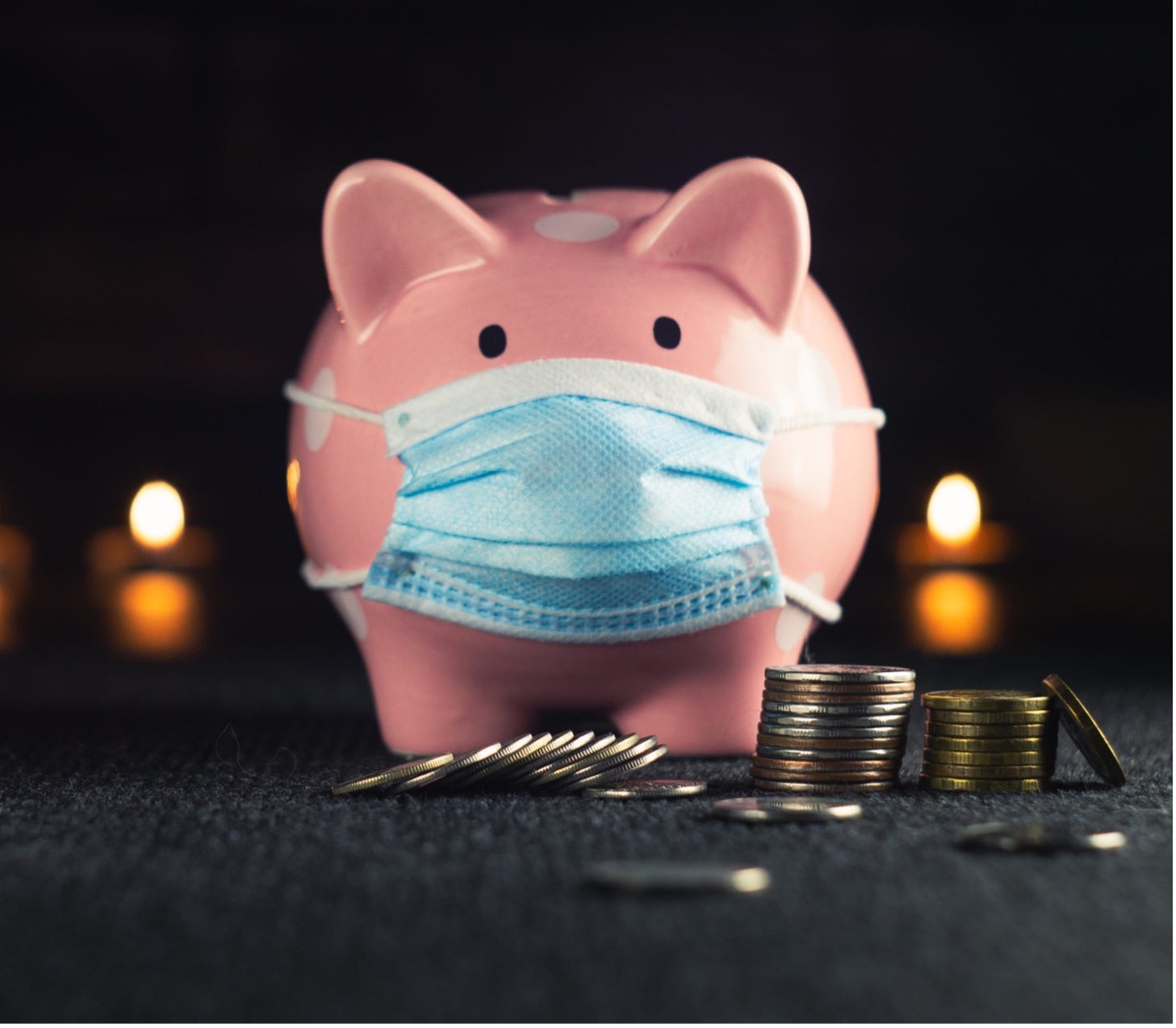
What is the Cost of a Cold?
By Canna Campbell, financial planner and founder of financial literacy platform, SugarMammaTV
Most of us don’t think too much about a cold, that is until we are sick with a cold.
Suddenly craving health and energy again as we try and get through the day, meeting deadlines and responsibilities whilst minimising the spreading of our contagious germs. The race to get to bed becomes the focus of the day, for much needed rest and recovery.
But a lot of us forget about the actual financial cost of a cold. It often starts with the trip to local chemist, stocking up on a cocktail of nasal decongestants, pain relievers, antihistamines, expectorants and sometimes cough suppressants. There may even be doctor’s appointment required, especially if you are vulnerable with other medical conditions or require a sick note for your place of work.
Then there is the cost of having time away from work…for some of us this may mean missing out on a day or two of paid work, if we are a casual worker, contractor or running a small business. Considering that the average person catches 2-5* colds per year, this cost of a cold quickly adds up even further.
If you have young children, there is the additional cost of missing school or day-care, not to mention the cost of being at home to care for our children until they are well enough to return back to their normal activities. Day-care can cost up to $188 per day, per child in Australia and is non-refundable if your child is sick or away.
As a parent, if you know that you are being docked annual leave or even worse, not being paid for that day or two to care for your sick child, the stress and pressure can only compound, making matters worse in an already financially-stressful world. This can actually make you more susceptible to catching that exact cold already running rampant in your home, because our immune systems are compromised when we’re stressed or not taking care of ourselves.
However, the biggest financial impact of being unwell, is actually to the Australian economy. According to a recent report conducted by Frost & Sullivan, absenteeism and productivity was costing the local economy around $14.1 billion each year, rising to $24.2 billion by the end of 2022**.
Looking at what the average Australian earns (according to the ABS***), which is just over $94,000 p.a. and that there are 260 working days per year, each day from work could cost you $361.53 alone before tax. So if you are a growing family, with unpaid sick leave and day-care costs, those 2-3 colds per year can cost you up $737.53 each day, (assuming 2 kids in day care). If you need 3 days to recover, this escalates to $2,212.59 per cold, or almost $11K per year!
To reduce the financial burden, it’s important to shorten the duration of a cold. Do what you can to rest, and take cold & flu remedies so that you can get better and get back to work – and get your kids back to school – faster. Products in the Sambucol range are designed to actively shorten the duration and effectively relieve common cold and flu symptoms.
Whilst common colds are a part of life, looking to get yourself, family members, friends or staff back to great health and vibrant energy as quickly as possible needs to be the forefront of proactive measures when it comes to managing a cold, managing your family finances, and helping ease your way back to full wellbeing again.
Shorten the duration and effectively relieve common cold and flu symptoms with: Sambucol Black Elderberry Cold & Flu 120ml, Sambucol Black Elderberry Cold & Flu 250ml, Sambucol Black Elderberry Cold & Flu 24s, Sambucol Black Elderberry Cold & Flu + Pain 24s, Sambucol Black Elderberry Cold & Flu Forte 24s, Sambucol Black Elderberry Immune Defence Forte, Sambucol Black Elderberry Immune Defence Effervescent, and Sambucol Black Elderberry Immune Defence Everyday.
Always read the product label and follow the directions for use.
Canna Campbell has received financial remuneration from Pharmacare Laboratories for participation in this campaign.
** https://incleanmag.com.au/new-report-finds-absenteeism-costing-businesses-billions/
*** https://www.abs.gov.au/statistics/labour/earnings-and-working-conditions